

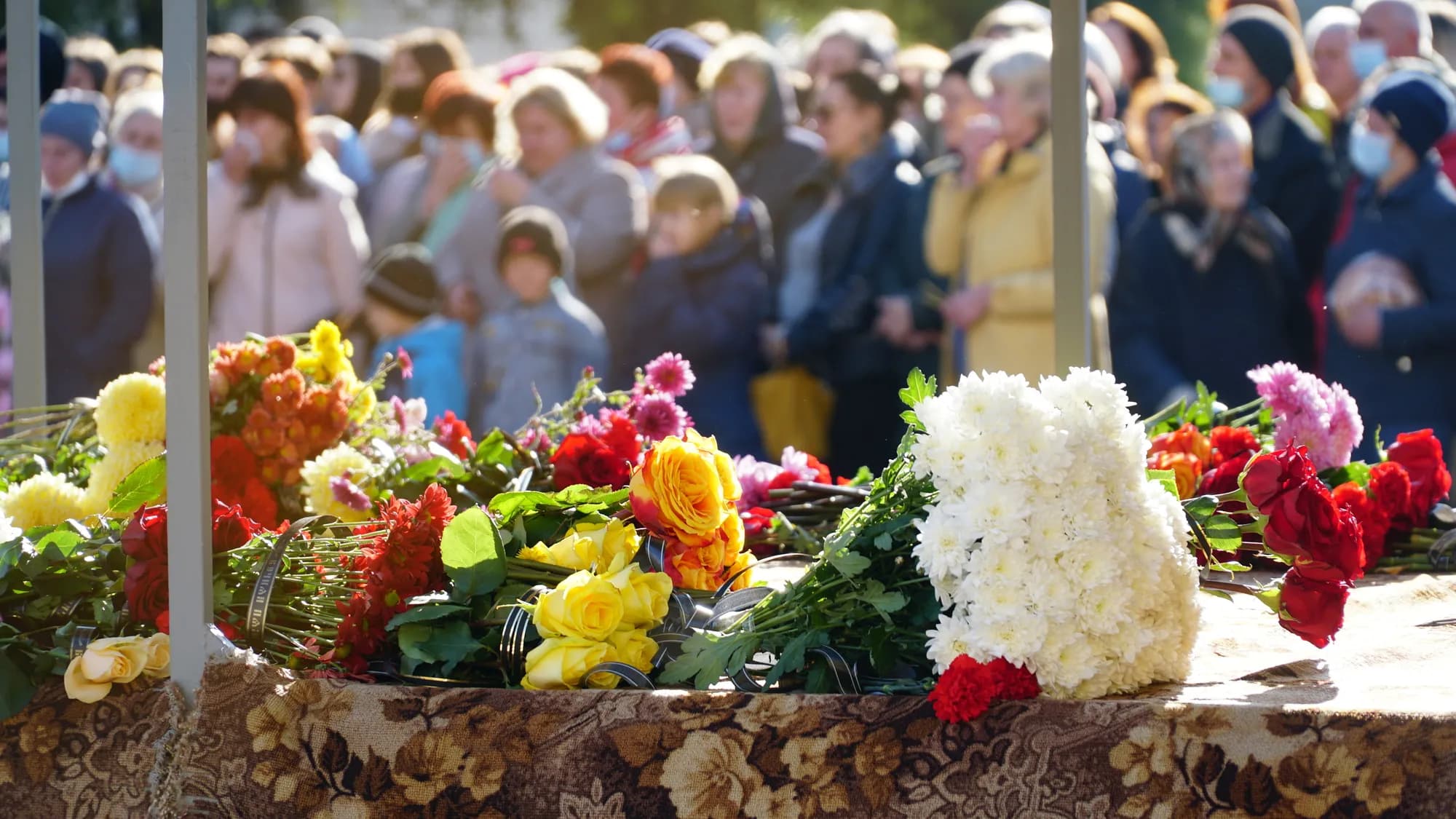
Navigating funeral planning can be overwhelming, especially when families are grieving. Understanding what a traditional funeral service involves can bring clarity and comfort during an emotional time. At Sensible Funeral & Cremation Planning, we believe in educating families about their options so they can make informed decisions with confidence.
In this blog, we’ll walk you through each step of a traditional funeral service and highlight why this time-honored option remains a meaningful choice for many.
1. What Is a Traditional Funeral Service?
A traditional funeral service typically includes a visitation or wake, a formal ceremony, and a committal service (burial or cremation). These services are held in a place of worship, funeral home, or another meaningful location, and are often led by clergy or celebrants.
Key Elements:
- Visitation or wake for family and friends to gather
- Formal service with readings, music, and eulogies
- Burial or cremation following the service
2. Importance of a Visitation
The visitation offers an opportunity for family and friends to pay their respects, share memories, and support one another before the formal service. This gathering often includes a viewing of the deceased, allowing for closure and personal goodbyes.
Key Benefits:
- Creates space for emotional expression and remembrance
- Brings family and friends together in a shared moment of reflection
- Helps begin the healing process
3. The Funeral Ceremony
The main funeral service is typically structured with readings, music, tributes, and spiritual guidance. It serves as a formal farewell and a celebration of the individual's life, often customized with personal touches.
Key Benefits:
- Offers a meaningful space for honoring the deceased
- Includes personal elements like favorite songs or stories
- Provides spiritual or emotional comfort to attendees
4. The Role of the Committal Service
After the ceremony, the committal service takes place at the burial site or crematory. This is the final farewell and often includes prayers or final words.
Key Benefits:
- Provides closure and a sense of finality
- Allows family and friends to say a final goodbye
- Often includes symbolic acts such as placing flowers or soil
5. Why Choose a Traditional Funeral?
Traditional funerals offer structure, familiarity, and a communal sense of support that many families find comforting. They provide a respectful and dignified way to honor the life of a loved one.
Key Benefits:
- Follows established rituals that bring comfort and meaning
- Allows time for friends and family to come together and grieve
- Offers customizable options to reflect the individual’s life and values